Key takeaway
Different kinds of accidents involve different people, companies, and insurance setups. The safety steps stay the same; the paperwork and the parties involved are what change.
Two cars
The most common situation: two drivers, two insurance companies, one exchange of information. The basics — safety, photos, report number, records — cover most of it.
Multiple vehicles
More drivers means more information to exchange and usually more insurers involved. Photos of where every vehicle ended up become especially useful.
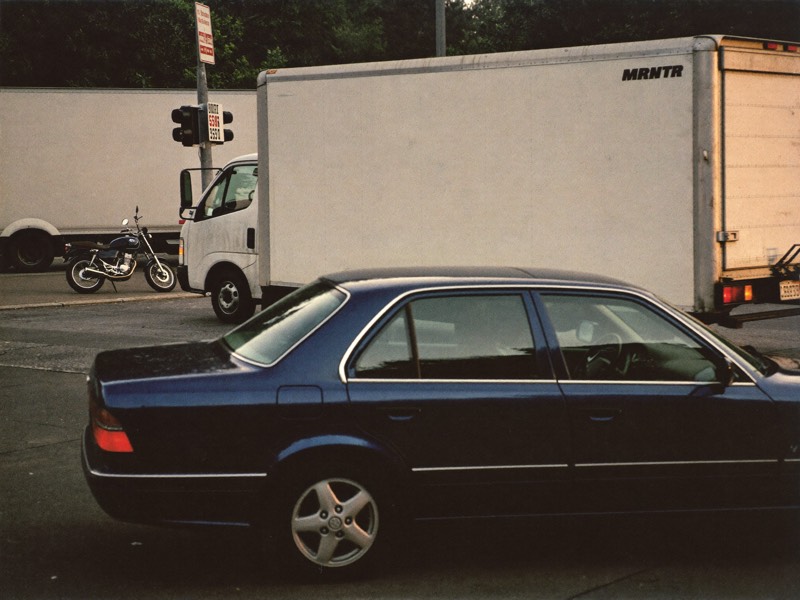
Commercial trucks and big rigs
Commercial vehicles generally involve a company as well as a driver, and commercial insurance policies. There may also be company reporting processes on their side.
Rideshares, taxis, and delivery drivers
These usually add a platform or employer into the picture, and insurance can depend on what the driver was doing at the time. It’s a newer, often more layered situation.
Motorcycles and pedestrians
Injuries tend to be the bigger concern, so medical care comes first even more strongly. The documentation basics are the same.
If you’d like a free consultation with an independent participating law firm, just reach out.
Sources
- National Highway Traffic Safety Administration (nhtsa.gov)
- Centers for Disease Control and Prevention — Transportation Safety (cdc.gov)
- USA.gov — Motor vehicle services and accident basics (usa.gov)