Key takeaway
In the first minutes: check for injuries, get safe, and call 911 if anyone is hurt. Then exchange information, take photos, and note the details. In the days after: consider getting checked by a doctor, and keep every record in one place.
What should you do in the first ten minutes?
- Check for injuries. Yourself first, then passengers. If anyone is hurt, call 911 right away.
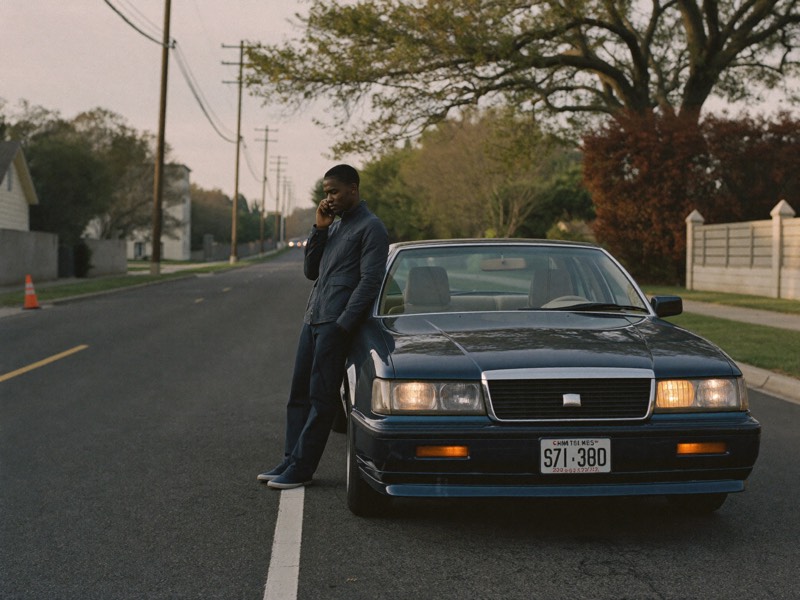
- Get to a safe spot if you can. If the car drives and it’s safe, move it out of traffic and turn on your hazards. If not, turn on your hazards where you are.
- Call the police. Even for smaller crashes, a police report creates an official record. Ask how to get the report number before everyone leaves.
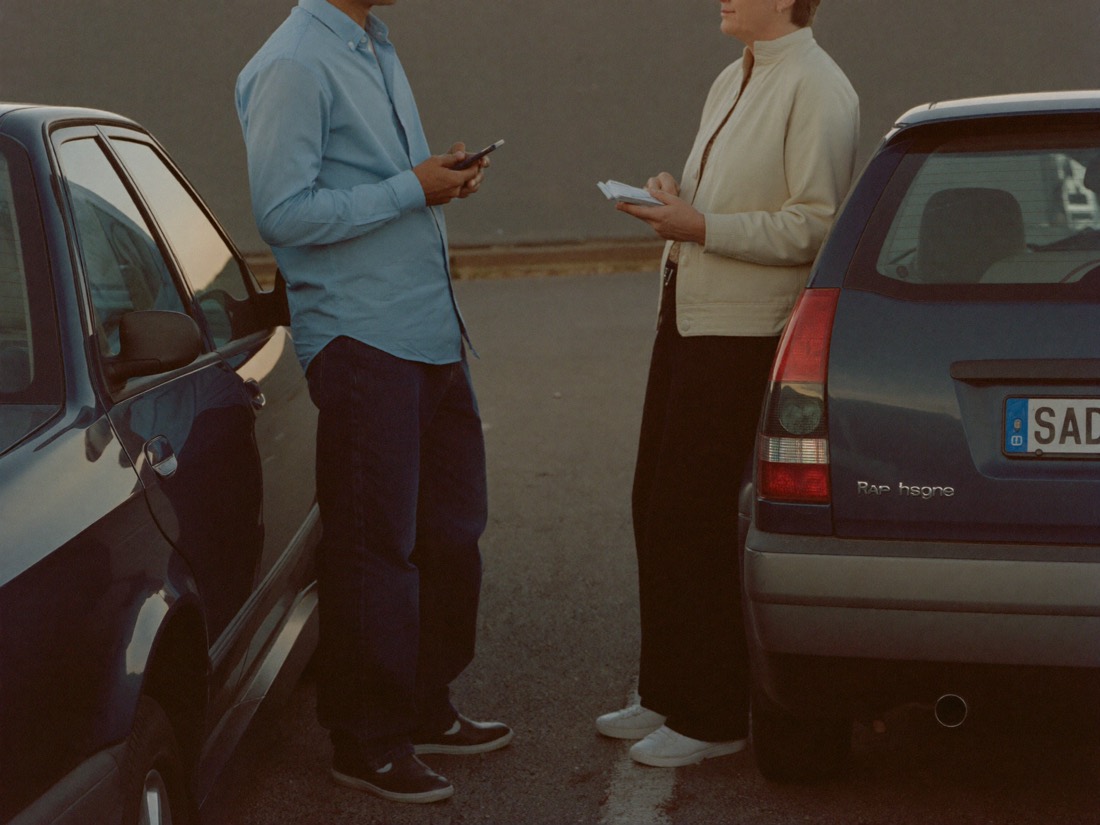
- Exchange information. Names, phone numbers, insurance details, and license plates.
- Take photos. The vehicles, the scene, the street, and anything else that tells the story.
- Note the details. Time, place, weather, and what happened, while it’s fresh.
What should you exchange and photograph?
From the other driver: name, phone number, insurance company and policy number, driver’s license number, and plate. If there are witnesses, a name and number is enough. With photos, more is better: wide shots of the whole scene, close-ups of each vehicle, the road and signals, and anything on the ground.
Should you get checked even if you feel fine?
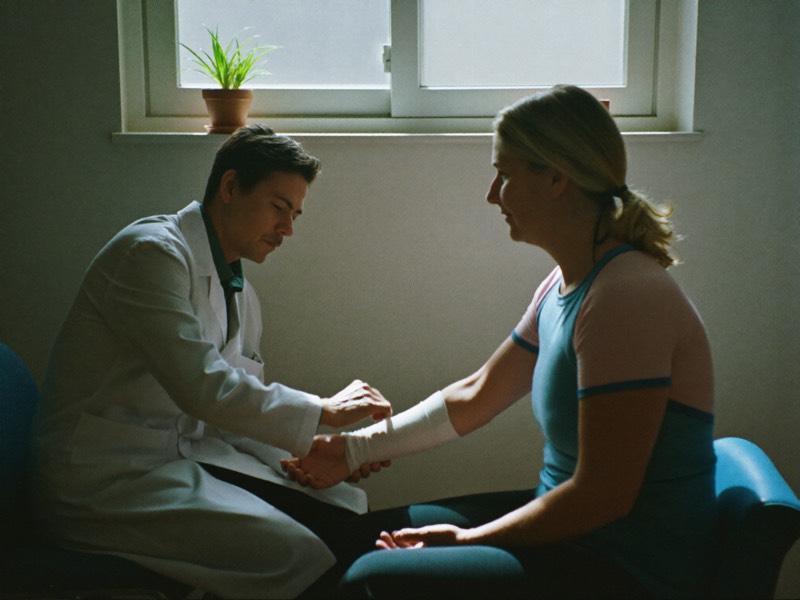
Safety agencies note that some injuries aren’t obvious right away, and it’s common to feel fine at the scene only to feel very different a day or two later. Many people choose to get checked at an emergency room, urgent care, or their own doctor soon after a crash. Whatever you decide, keep every record: visit summaries, receipts, and instructions.
How does the process generally work from here?
Every situation is different, but the general shape is similar for most people:
| Stage | What generally happens |
|---|---|
| Report | The crash is reported to the police and, typically, to insurance companies. |
| Care | People get checked out and follow up on any treatment. |
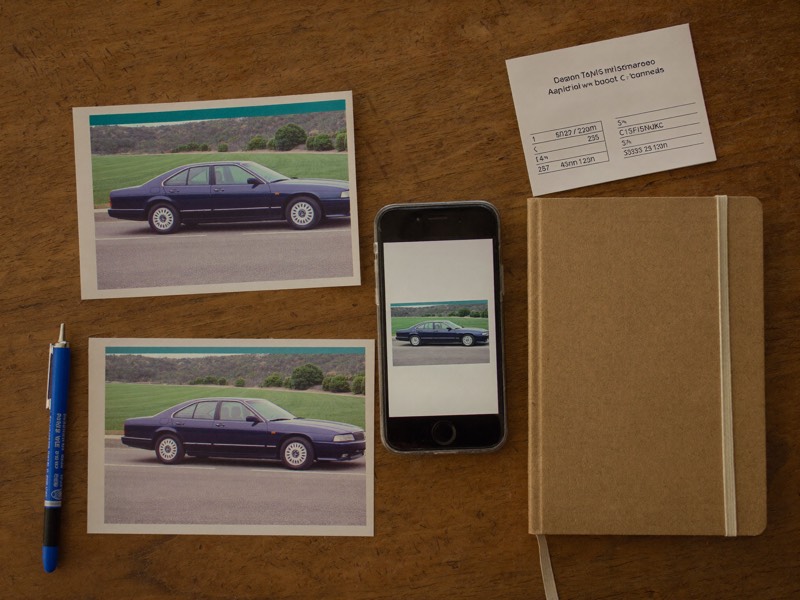
| Records | Photos, the police report number, medical records, and receipts get collected in one place. |
| Conversations | Insurers gather information about what happened. This varies a lot from case to case. |
| Advice, if wanted | Some people talk with a licensed attorney to understand their specific situation. That’s what a free consultation is for. |
What should you gather and keep?
- Photos and videos from the scene
- The police report number (and the report itself when available)
- Medical visit summaries, instructions, and receipts
- Repair estimates and towing or rental receipts
- A simple written timeline of what happened and how you’ve felt since
One folder — paper or on your phone — is all it takes.
If you’d like a free consultation with an independent participating law firm, just reach out.
Sources
- National Highway Traffic Safety Administration (nhtsa.gov)
- Centers for Disease Control and Prevention — Transportation Safety (cdc.gov)
- USA.gov — Motor vehicle services and accident basics (usa.gov)